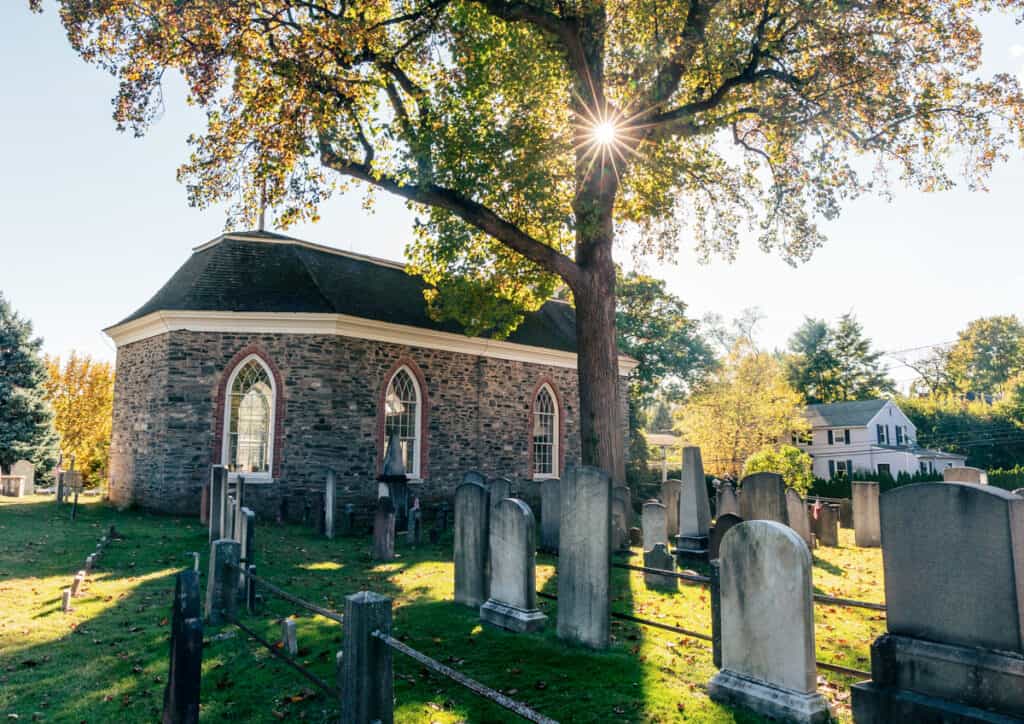
Sleepy Hollow, a quiet and small town located just north of the bustling heart of New York City, is a village that combines rich history and legendary folklore, which has become most famously associated with Washington Irving’s story The Legend of Sleepy Hollow. Nestled on the eastern bank of the Hudson River, this village has evolved from a small colonial town to an icon of Halloween and folklore in the United States.
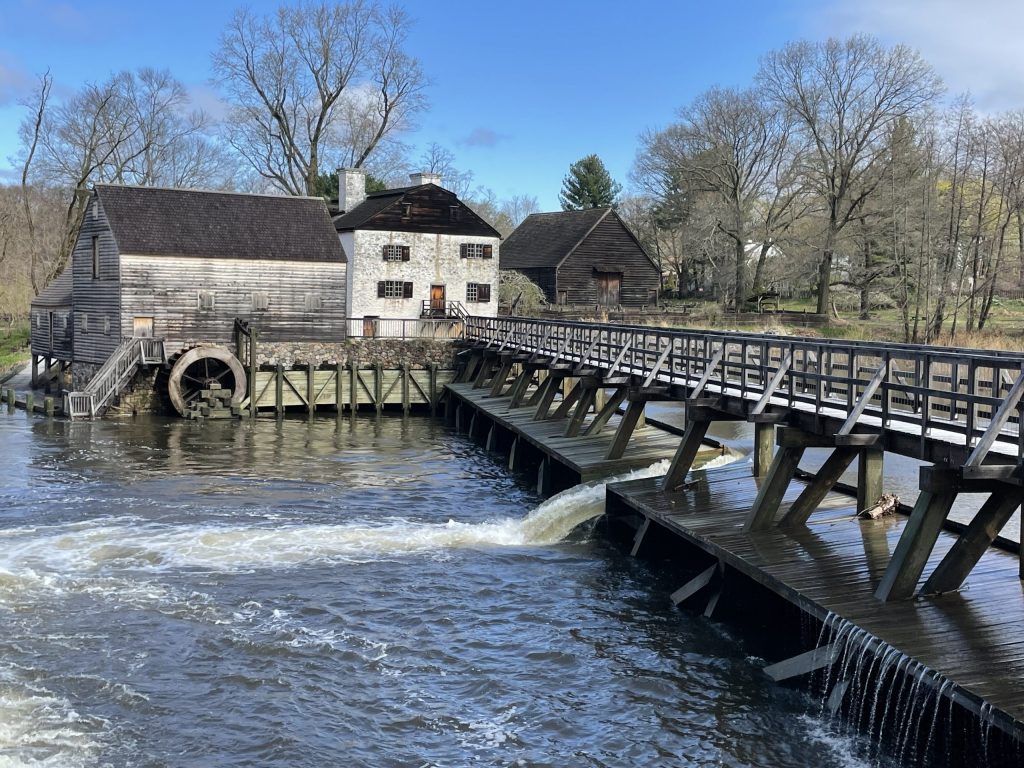
The town was pleased to receive its first European visitors in the 1600s when the Dutch arrived, initiating a rich cultural exchange that would develop over the subsequent years. Frederick Philipse, an astute Dutch merchant and one of the wealthiest individuals in the American colonies, played a significant role in shaping the vibrant character of the town. His commitment to the community resulted in the establishment of notable landmarks, including the Philipsburg Manor and the historic Old Dutch Church, both of which continue to attract visitors to this day.
Despite being a supposed ‘sleepy’ town, Sleepy Hollow ended up being caught in the crosshairs of the American Revolution when Philipse’s great-grandson, Frederick Philipse III, was attainted for being loyal to the British crown. The family manor was seized by the colonists, where it would be owned by different parties until being purchased by Sleepy Hollow Restorations in 1951, who still take care of it to this day.
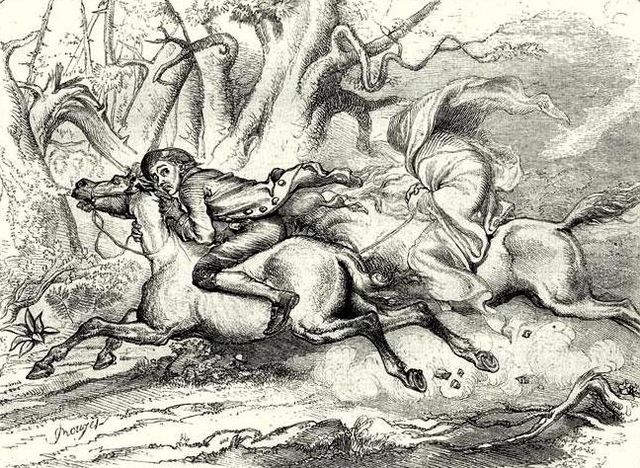
Sleepy Hollow’s most notable visitor was Washington Irving, a writer who lived in nearby Tarrytown. Irving was visiting his friend, James Paulding, who fought as a militiaman in the Continental Army during the war, and together they went around and spoke to the townspeople about local folklore and history. This is where Irving would get his inspiration for his famous work, The Legend of Sleepy Hollow, in 1820. The story details a man named Ichabod Crane on the run from a ghostly headless horseman, who chases him on horseback across the village until they arrive at the bridge, which the headless horseman cannot cross.
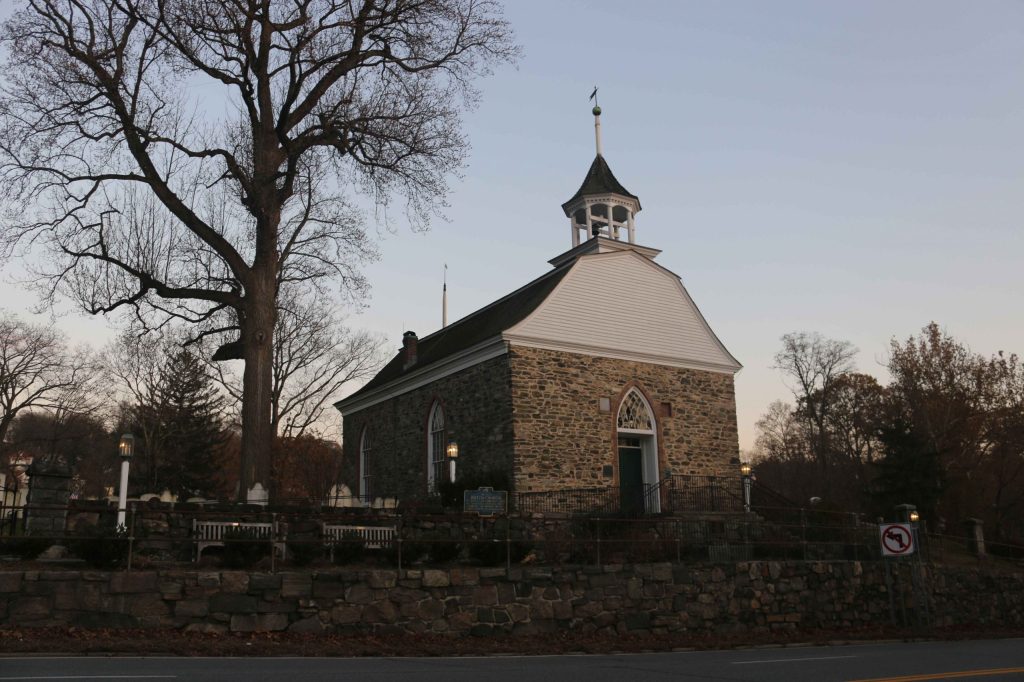
Nowadays, Sleepy Hollow remains a pilgrimage site for Halloween lovers all across the world, who flock to its many landmarks that immortalize its haunted history. My personal favorite landmark in the town is the Old Dutch Reformed Church, as well as its accompanying burial grounds. The church was built in the late 1690s and was financed by Philipse himself, who is said to have built the pulpit with his bare hands. The adjacent burial ground contains the remains of several Revolutionary War soldiers, as well as other people from the era who were possible inspirations for the characters in The Legend of Sleepy Hollow.
Despite being a story of fiction, many residents and visitors of Sleepy Hollow have reported several hauntings over the years within the village. The most prominent ghost in the village is said to be that of the Headless Horseman himself, who still gallops on horseback searching for his lost head, with some saying that he lost it as a soldier in battle. The two cemeteries in the town also have reports of strange figures wandering the grounds at night. Finally, the Philipsburg Manor is said to still house the spirits of the town’s founding family, who continue to roam the halls to this day.
 John's History Corner
Leave a comment