
In Apostles of Disunion, Charles B. Dew confronts a long-standing myth: that the American Civil War was about states’ rights. Using speeches by southern commissioners sent to convince other states to secede, Dew shows that the true driving force was slavery—and the fear of its extinction. Southern revisionists, especially after the war, clung to the “Lost Cause” narrative, claiming the war wasn’t about slavery. But as Dew and multiple primary sources make clear, slavery was at the core of secession.
One powerful example comes from a January 1861 article in the Daily Nashville Patriot, which claimed that Republicans sought to “crush the South and her institutions and annihilate slavery wherever it may exist.” The same piece described the Republican Party as an “anti-slavery party” that had risen to power with the election of Abraham Lincoln. This echoes commissioner Stephen F. Hale, who called Lincoln a “supreme threat to slavery and the South’s racial order.” Dew’s argument is directly reinforced here: southerners feared the end of slavery so deeply that they saw secession as their only option.
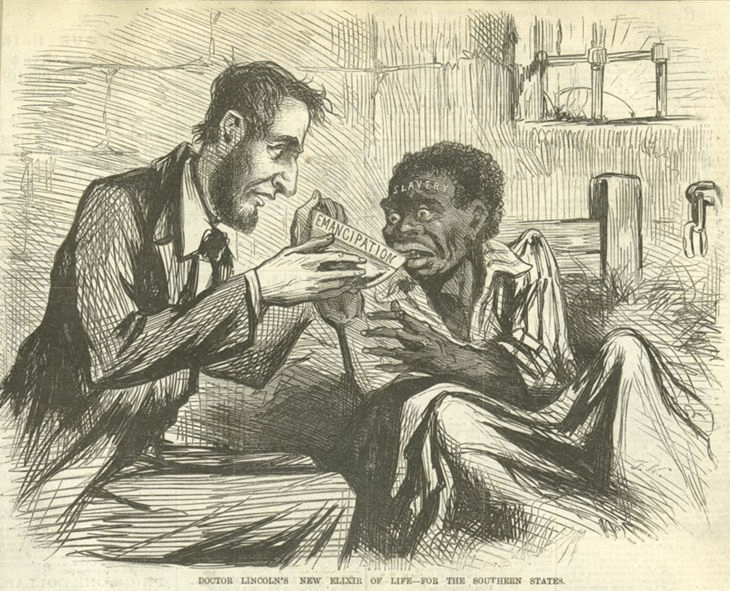
Another example is found in The Liberator, an abolitionist newspaper from Massachusetts. Also in January 1861, it printed the words of South Carolina preacher W.O. Prentice, who argued that both slavery and secession were “scriptural,” claiming that figures like Abraham in the Bible had owned slaves. In Apostles of Disunion, Dew highlights similar rhetoric, including Hale’s assertion of the “heaven-ordained superiority of the white over the black race.” For many southerners, slavery wasn’t just an economic issue—it was religious. Ending slavery was, to them, an attack on divine order.
Lastly, the Charleston Mercury offered a blunt economic defense of slavery in March 1861, claiming secession would bring “security to slaveholders, and respectable employment and great profits to non-slaveholders.” Commissioner George Williamson made a parallel point: that slavery was “the keystone of the arch of [Southern] prosperity.” Dew shows that for many, the economic foundation of the South—and their own futures—depended entirely on slavery.
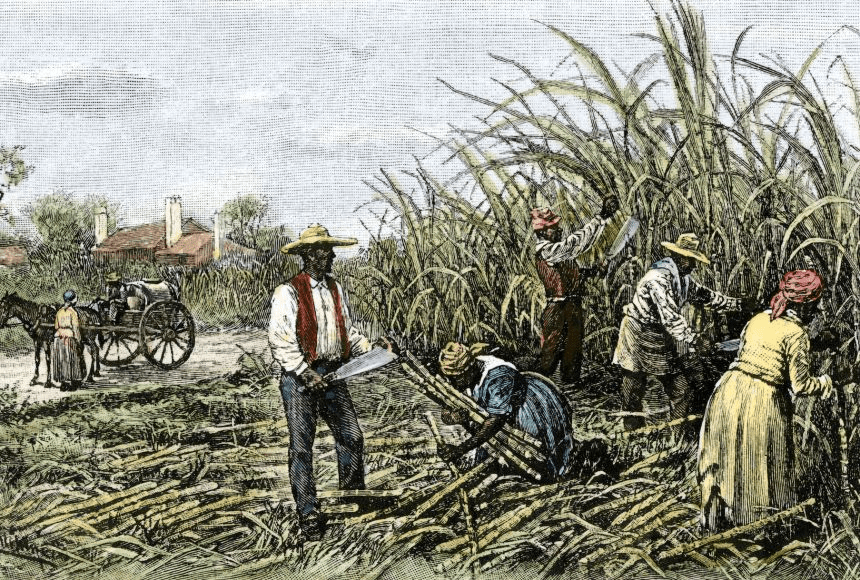
These three sources reinforce Dew’s central argument: slavery, not abstract states’ rights, led to secession. Whether through religion, economics, or racial ideology, every justification returned to one thing—protecting the institution of slavery. These primary sources cut through post-war revisionism and make it clear why the Civil War began: to preserve slavery at all costs.
 John's History Corner
Leave a comment