From dusty caves to marble cathedrals, relics and artifacts linked to the Bible have long captured the imagination of believers, historians, and treasure hunters alike. Some are real, others remain the stuff of legend—but all share the power to stir curiosity and awe. Let’s take a journey through some of the most captivating Biblical artifacts ever found—or believed to exist.
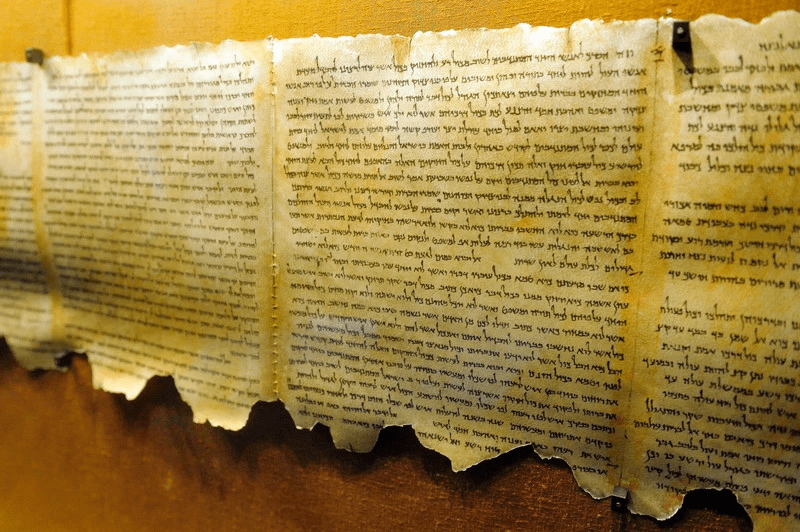
The Dead Sea Scrolls
Discovered between 1947 and 1956 in the Qumran Caves near the Dead Sea, these ancient manuscripts revolutionized our understanding of Judaism and early Christianity. Dating back to the 3rd century BCE to 1st century CE, the scrolls include parts of every book in the Hebrew Bible (except Esther), along with apocryphal texts and community rules. They offer a rare glimpse into religious life during the Second Temple period and have been called the greatest archaeological find of the 20th century.
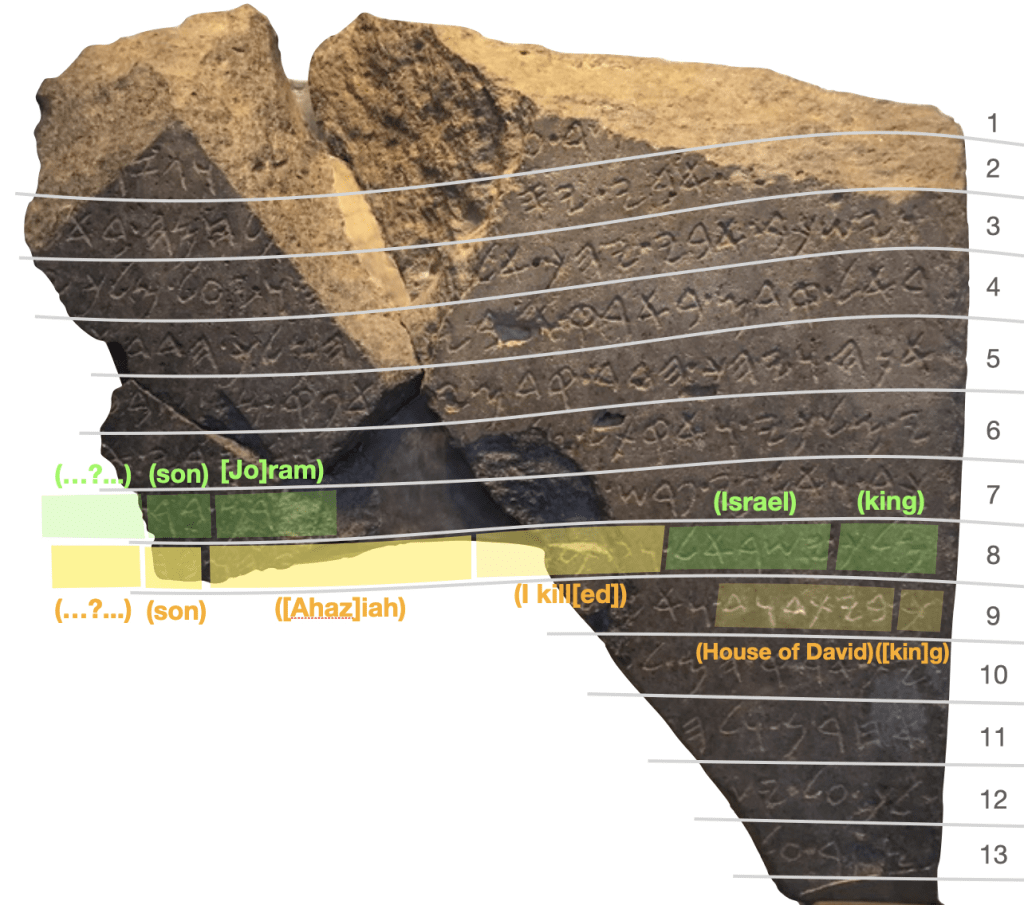
The Tel Dan Stele
This basalt stele, found in northern Israel in the 1990s, bears the Aramaic inscription “House of David,” offering the earliest known extra-biblical reference to King David. Dated to the 9th century BCE, it backs the biblical account that David was more than just a mythic figure—he had a dynasty.
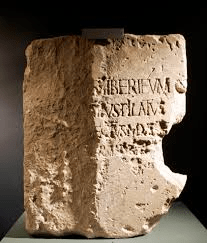
The Pilate Stone
Unearthed in Caesarea Maritima, this limestone block contains the name of Pontius Pilate, the Roman governor who oversaw the trial of Jesus. Before this discovery in 1961, Pilate’s existence was confirmed only in scripture. The stone is a key piece of historical evidence linking the New Testament to real Roman authorities.
The Pool of Siloam
Mentioned in the Gospel of John, this pool is where Jesus healed a blind man. Archaeologists rediscovered it in 2004 in Jerusalem during infrastructure work. The site matches historical descriptions, confirming part of the Gospel narrative and adding depth to our understanding of life in ancient Jerusalem.
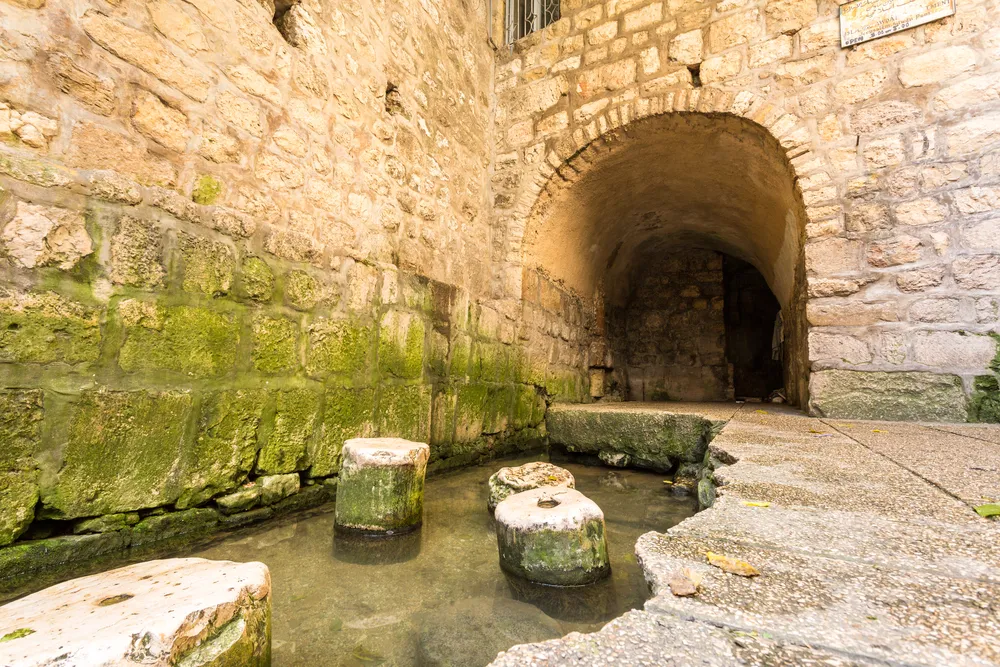
Hezekiah’s Tunnel
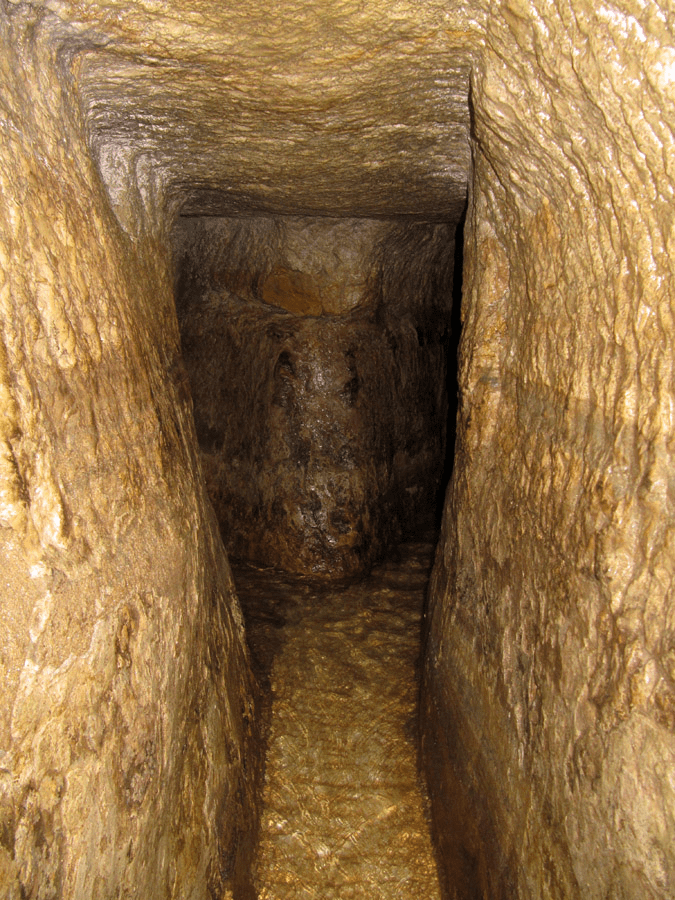
Also known as the Siloam Tunnel, this remarkable feat of ancient engineering was carved under Jerusalem in the 8th century BCE to protect the city’s water supply. It is referenced in 2 Kings 20:20 and 2 Chronicles 32:30. The tunnel still carries water today and is open to adventurous tourists.
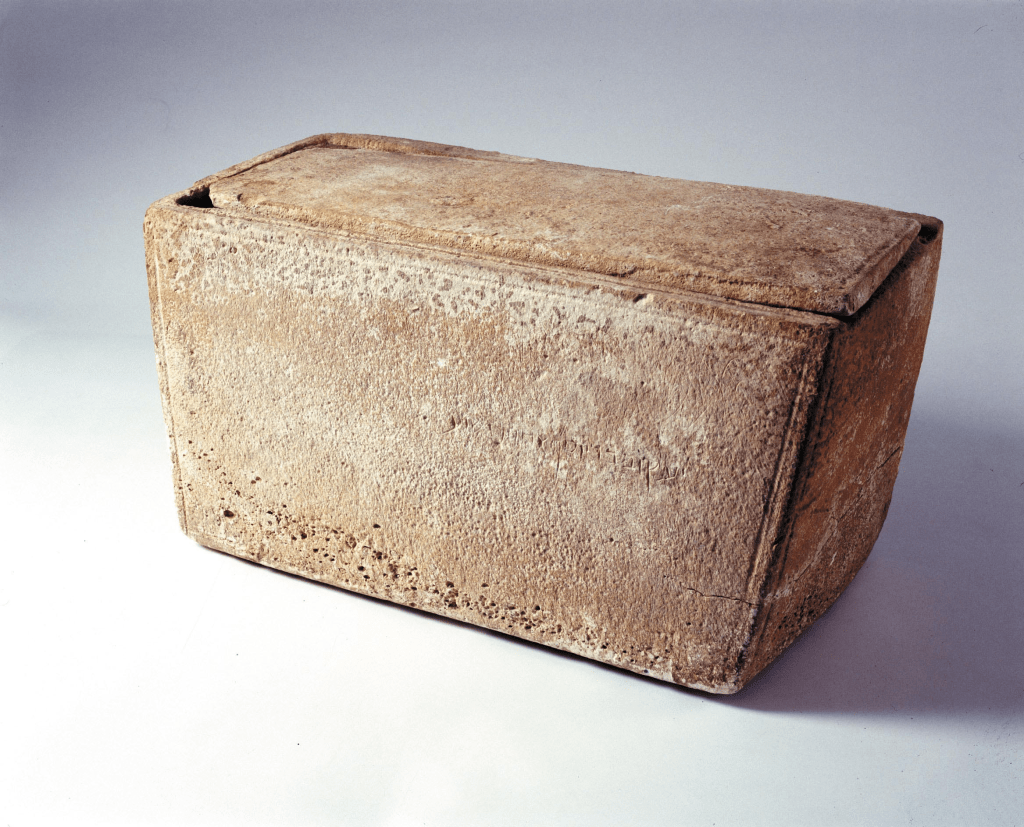
The Ossuary of James
This limestone bone box is inscribed with the words, “James, son of Joseph, brother of Jesus.” If authentic, it’s one of the few direct physical connections to Jesus of Nazareth. Its legitimacy has been hotly debated, with some experts declaring the inscription partially forged.
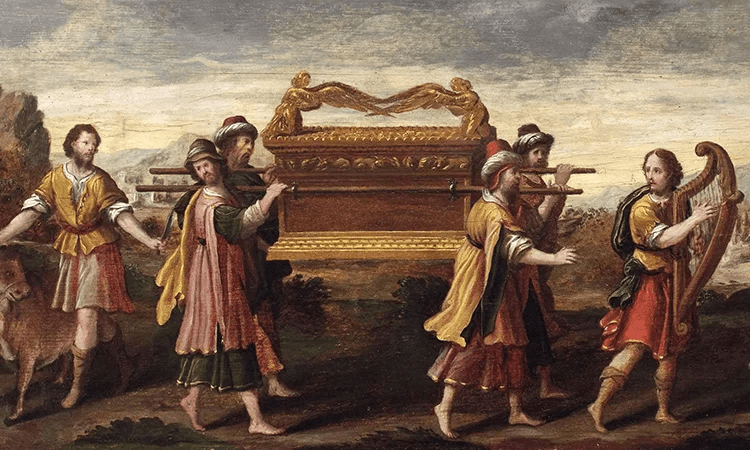
The Ark of the Covenant
Said to house the original stone tablets of the Ten Commandments, the Ark is described in Exodus as a gold-covered chest carried by the Israelites. It vanishes from the historical record after the Babylonian conquest. Theories about its location range from Ethiopia (Church of Our Lady Mary of Zion) to secret chambers beneath the Temple Mount. Despite countless quests, the Ark remains one of the Bible’s greatest lost treasures.
The Shroud of Turin
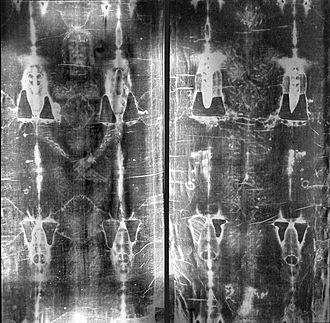
Believed by some to be Jesus’ burial cloth, this linen sheet bears the faint image of a crucified man. Radiocarbon testing once dated it to the Middle Ages, but questions about sample contamination and image formation keep debate alive. Whether miraculous or medieval, it remains a powerful symbol of Christ’s passion.
The Holy Grail
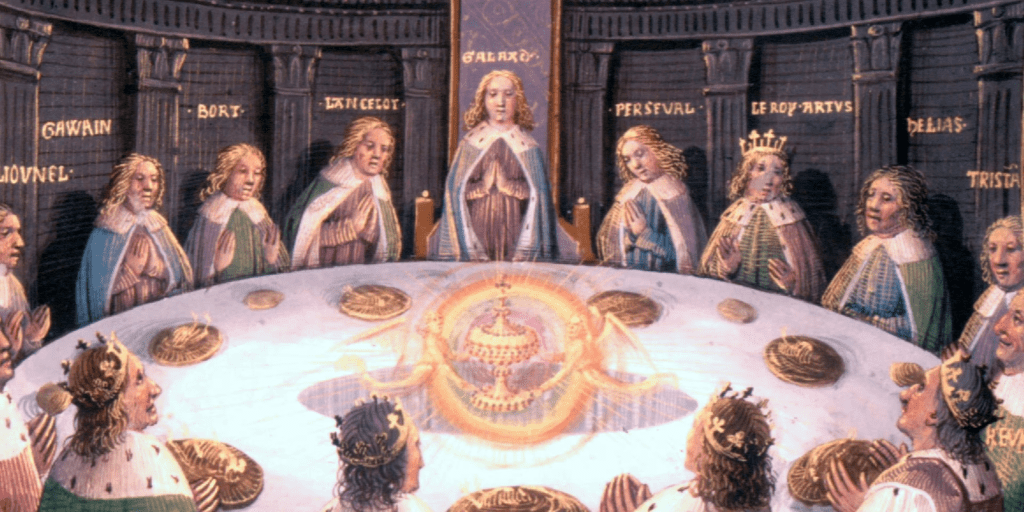
The cup used by Jesus at the Last Supper, the Grail became a medieval legend tied to King Arthur’s knights. Many churches claim to have it, including one in Valencia, Spain. While its true identity (or existence) is uncertain, the Grail continues to inspire books, films, and spiritual seekers alike.
The Spear of Destiny (Holy Lance)
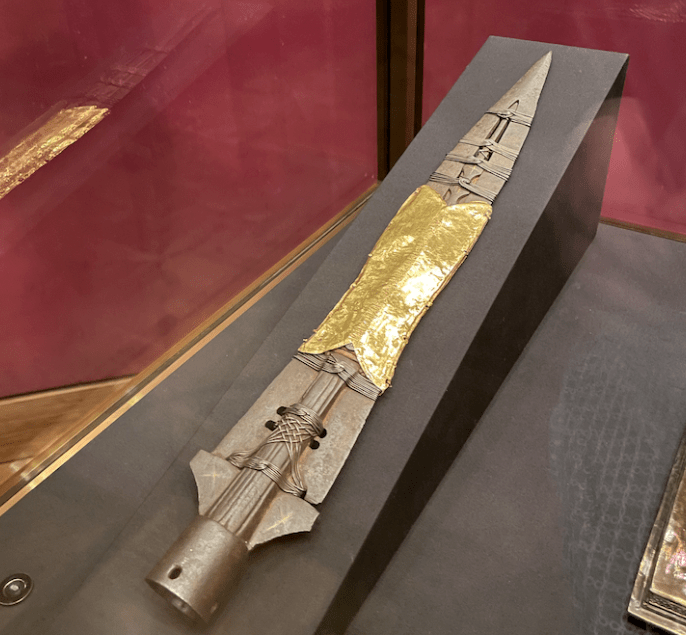
Said to be the spear that pierced Jesus’ side during the crucifixion (John 19:34), several “Holy Lances” have emerged in history. One of the most famous is housed in the Hofburg Palace in Vienna. Legends claim it grants power to whoever holds it—Napoleon supposedly avoided it, and Hitler may have obsessed over it. Reality or myth, the spear’s story is one of faith, fear, and fascination.
The True Cross
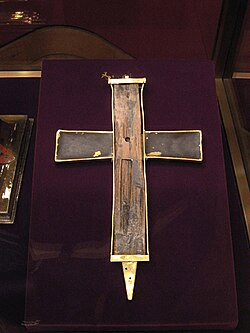
The supposed fragments of the cross on which Jesus was crucified have been venerated across Christendom since the 4th century, when Helena, mother of Constantine, reportedly discovered it in Jerusalem. Many churches claim pieces of the True Cross. While skeptics note the sheer number of relics claimed, their spiritual value remains immense for many.
The Rod of Moses
With it, Moses parted the Red Sea, summoned plagues, and struck water from a rock. The Bible portrays this staff not just as a walking stick, but as an instrument of divine power. Though it’s never been found—and likely wouldn’t survive the centuries—it represents faith in action. Some Jewish and Christian traditions even hold that the staff will return in the Messianic age.

 John's History Corner
Leave a comment