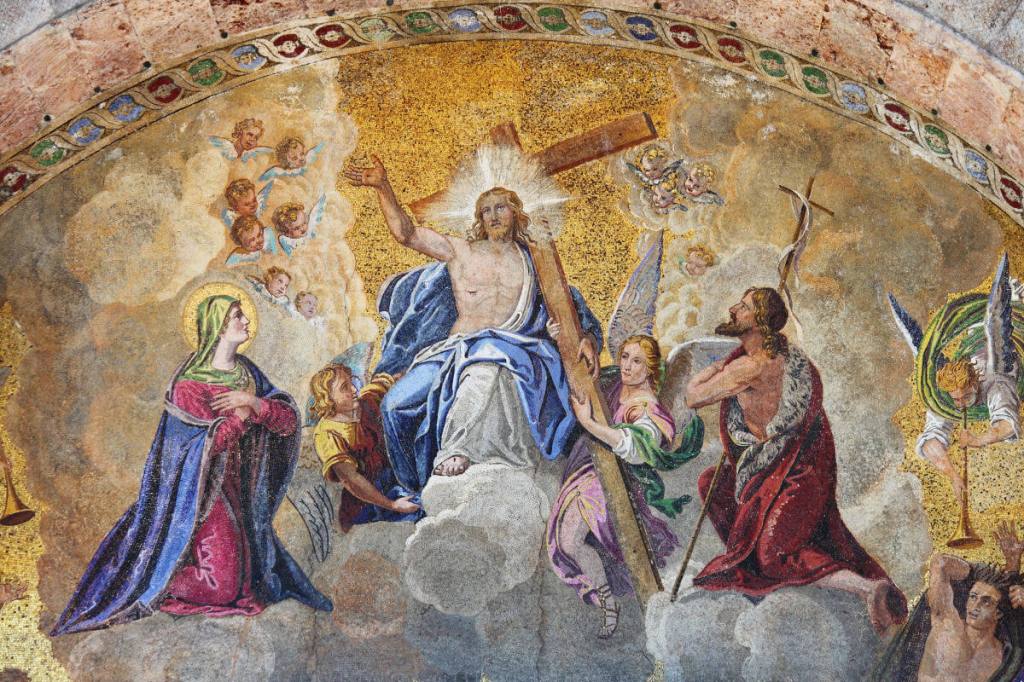
When Christianity emerged in the 1st century AD, it was a small, radical movement in the Roman province of Judea. By the 4th century, it had become the dominant religion of the Roman Empire. How did a faith that began with a crucified Jewish teacher grow into a world-changing force?
The Roots of a Movement
Christianity began with the teachings of Jesus of Nazareth, a Jewish preacher who emphasized love, forgiveness, and the coming Kingdom of God. After his crucifixion under Pontius Pilate, his followers—led by apostles like Peter and Paul—began spreading the message throughout the Roman world.
What made Christianity different was its universal appeal: it offered salvation to all people, regardless of class, ethnicity, or gender. This was revolutionary in a deeply hierarchical Roman society.
Persecution and Persistence
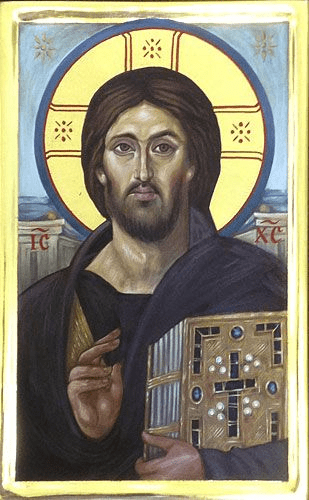
For its first 300 years, Christianity was illegal in the Roman Empire. Early Christians were often viewed with suspicion, accused of atheism (for refusing to worship Roman gods), and blamed for disasters. Persecutions flared up under emperors like Nero and Diocletian.
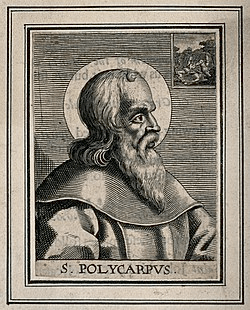
But persecution often strengthened the faith. Stories of Christian martyrs—like Polycarp, Perpetua, and Felix—inspired others. Martyrdom was seen as a witness to Christ’s truth, and churches often grew in the aftermath of violence.
Letters, Networks, and the Pax Romana
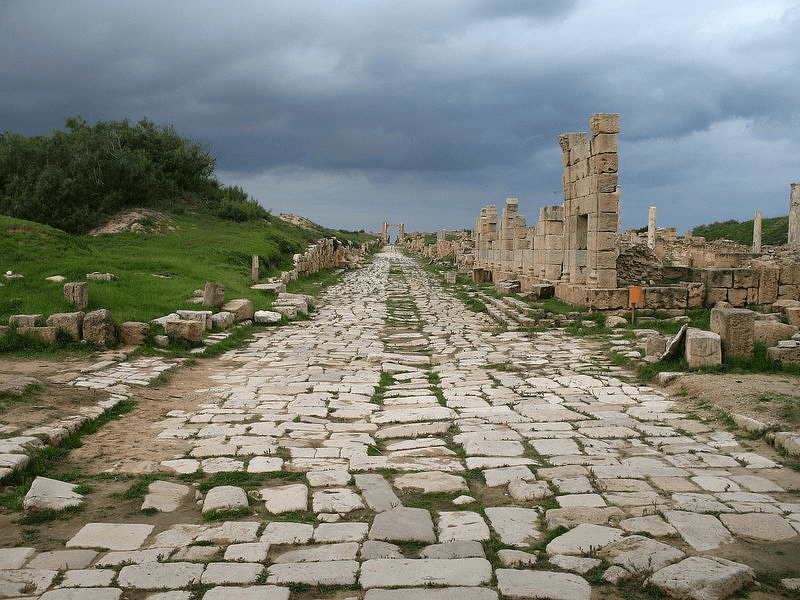
Christianity spread rapidly thanks to Roman infrastructure:
- Roads and sea routes allowed apostles like Paul to travel widely.
- A shared language (Greek in the East, Latin in the West) allowed ideas to move freely.
- Urban centers gave rise to communities where Christianity could flourish.
Letters (like Paul’s epistles) were copied and passed around, forming the early New Testament and strengthening church unity.
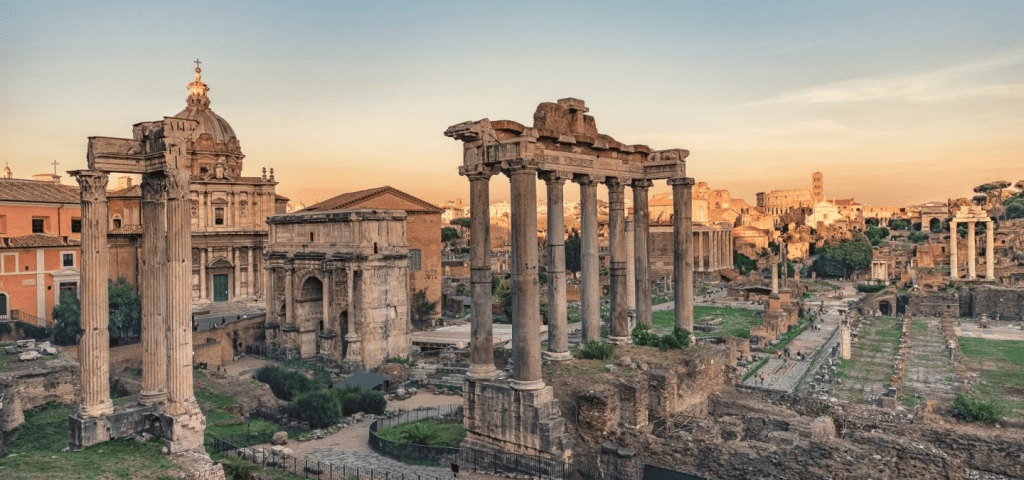
Constantine and the Turning Point
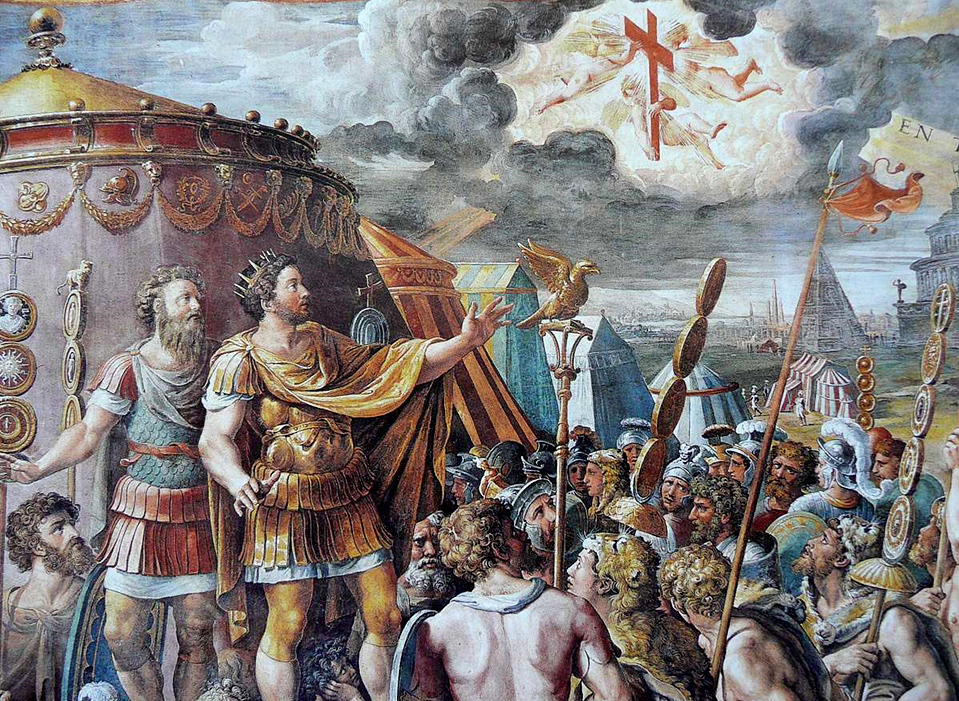
The most dramatic change came in the early 4th century. After reportedly seeing a vision of the cross before battle, Emperor Constantine embraced Christianity. In 313 AD, he issued the Edict of Milan, legalizing the religion and ending persecution.
Soon after:
- Churches were built openly.
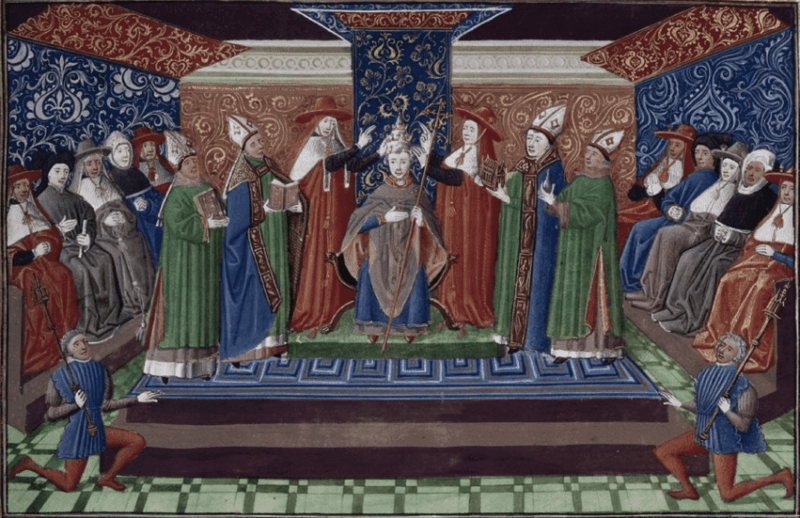
- Christian bishops gained political influence.
- Constantine called the Council of Nicaea in 325 to settle doctrinal disputes and unify the faith (resulting in the Nicene Creed).
Christianity Becomes the Empire
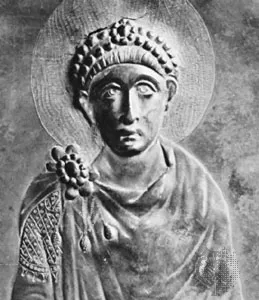
In 380 AD, Emperor Theodosius I declared Christianity the official state religion through the Edict of Thessalonica. Pagan temples were gradually closed or converted, and Christianity became deeply tied to Roman identity.
By the fall of the Western Roman Empire in 476, the church remained one of the few stable institutions. It preserved knowledge, shaped laws, and became the backbone of medieval Europe.
A Divine Triumph
The rise of Christianity within the Roman Empire was not just a historical accident or a political strategy — it was the unfolding of God’s divine plan. What began with a humble teacher from Nazareth and a group of frightened disciples turned into a global movement that no empire, sword, or persecution could stop.
Through suffering, imprisonment, and even martyrdom, God’s Word spread. He used Roman roads, common languages, and even emperors to carry the message of Christ farther than any one group could have imagined. What man meant for evil, God used for good — turning crosses of execution into symbols of hope.
The early church’s victory over oppression is a powerful reminder that God’s Kingdom is not built by force, but by faith. When the world tried to silence the gospel, it only grew louder. When rulers tried to destroy it, it only grew stronger. No earthly power could stop what God had ordained.
 John's History Corner
Leave a comment