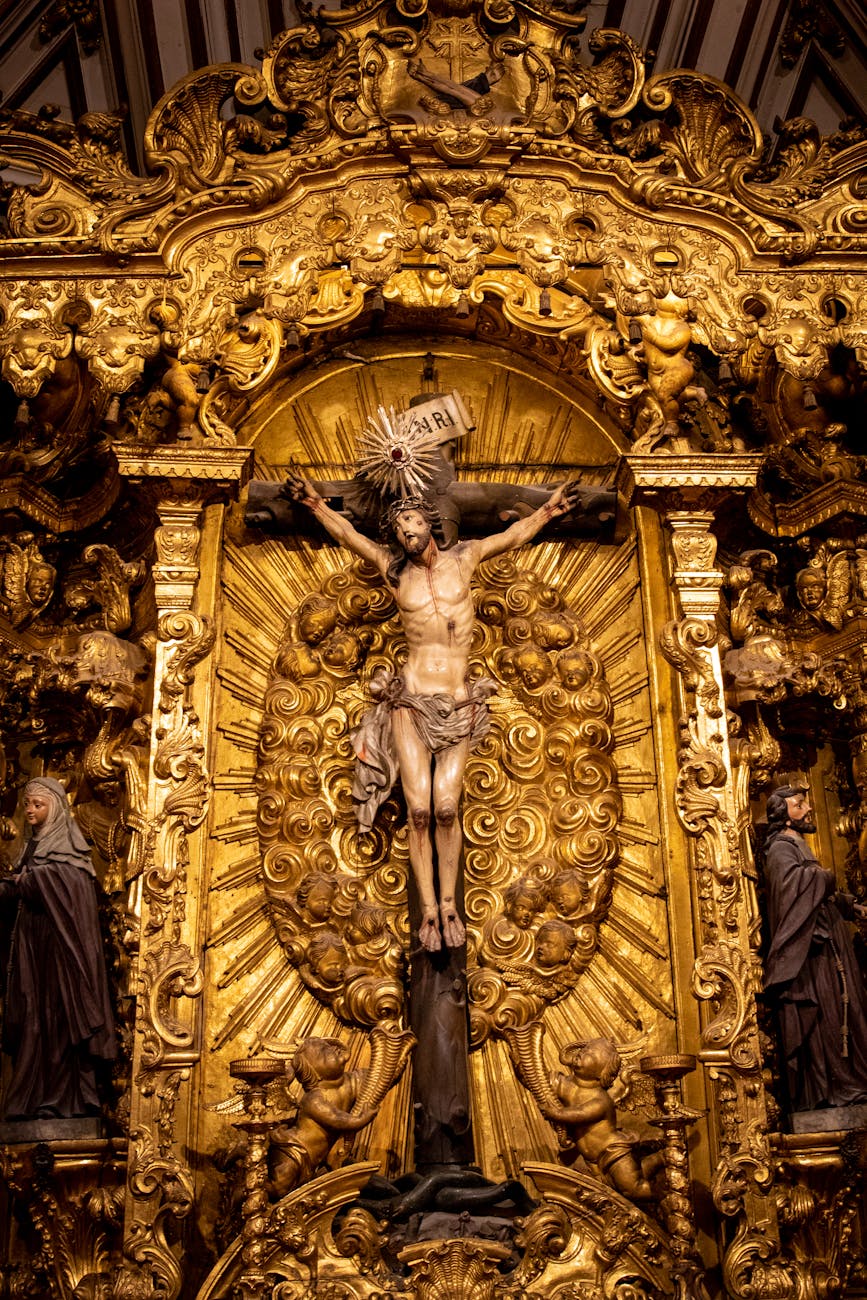
Whenever the common people hear the name “Jesus of Nazareth,” many will immediately think of His name in a religious context, and this makes perfect sense. For Christians, Jesus is not only the Son of God, but also the Savior of the world itself. But long before theology can even enter the conversation, historians and everyone else must ask a much simpler question: Did Jesus actually exist? If He did exist, what can we reliably say about His life and death?
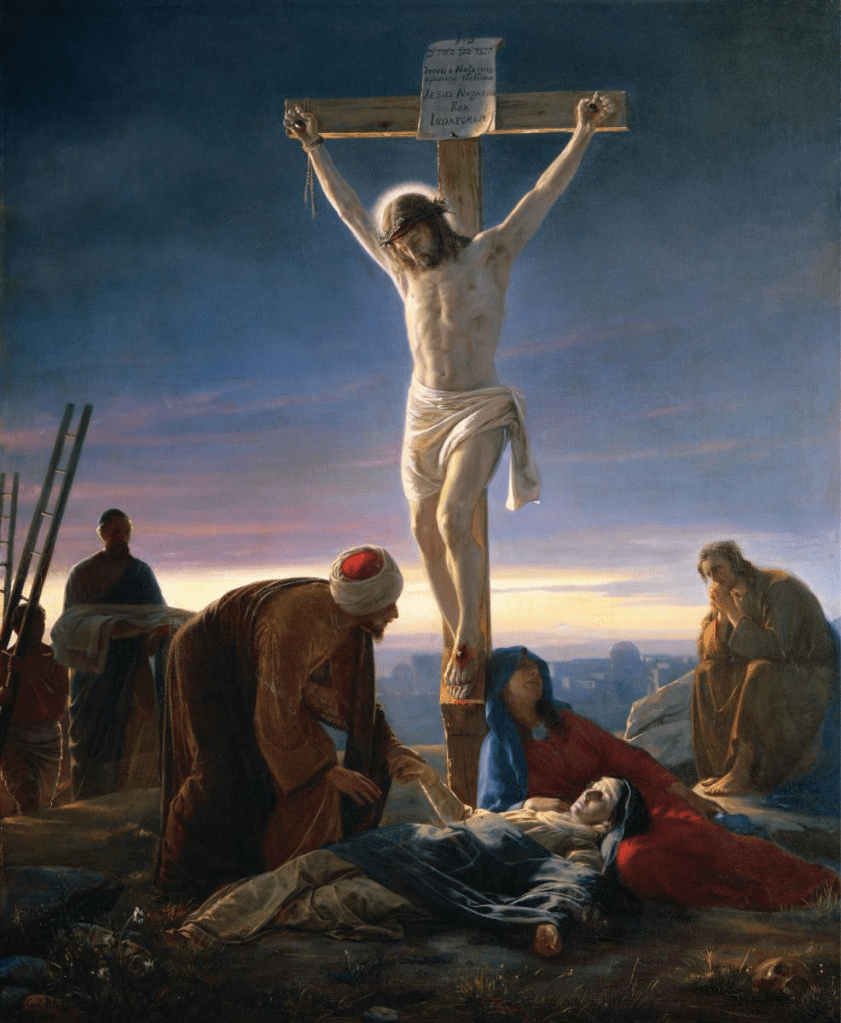
What might come off as a surprise to some is that the evidence of Jesus of Nazareth and His death are among some of the most well-backed events of the ancient world. While many historians may debate the claims of His resurrection and miracles, there is an incredibly broad scholarly agreement that Jesus was a well documented historical figure who lived in first-century Roman Judea and was crucified under the orders of the Roman governor Pontius Pilate.
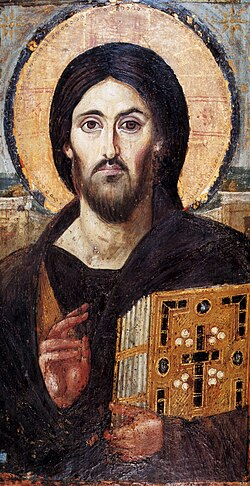
Roman Sources: What Pagan Historians Recorded
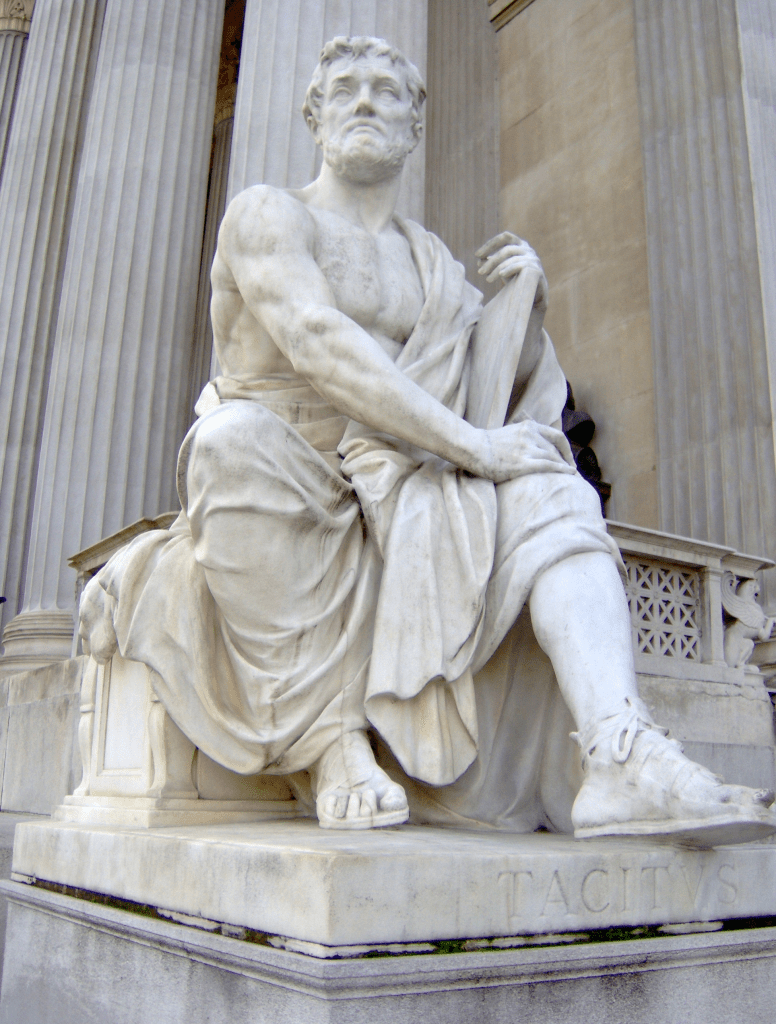
One of the strongest non-Christian sources comes from the Roman historian by the name of Tacitus, who lived within two generations of Jesus’ death. Writing around 116 AD, Tacitus describes Emperor Nero blaming Christians for the Great Fire of Rome. Tacitus explains who Christians were in Annals, which was a work on Roman history he was writing:
“Christus, from whom the name had its origin, suffered the extreme penalty during the reign of Tiberius at the hands of one of our procurators, Pontius Pilate.”
Tacitus was openly hostile toward Christianity, calling it a “pernicious superstition.” This makes his testimony especially valuable — he had no incentive to promote Christian beliefs. His statement confirms several key historical points: Jesus existed, he was executed, the execution occurred during Tiberius’ reign, and Pontius Pilate was responsible.
From the Jewish side, another historian named Flavius Josephus provides even more evidence for Jesus’ existence even sooner than Tacitus does. In his historical work Antiquities of the Jews, Josephus makes not one, but two references to Jesus, which is important to note since Jews do not even recognize Jesus as the legitimate Messiah. One passage says,
“Jesus was a wise teacher who attracted many followers and was condemned to the cross under Pontius Pilate.”
Josephus also mentions James as “the brother of Jesus who was called Christ,” further confirming that Jesus was a recognized historical figure within Jewish memory. Like Tacitus, Josephus was not a Christian and had no reason to invent or promote Jesus’ story.
The Jewish Talmud, compiled later but reflecting earlier traditions, also references Jesus’ execution, though in a negative and polemical tone. Even hostile sources, however, unintentionally reinforce the basic outline of Jesus’ life and death.

Early Christian Sources
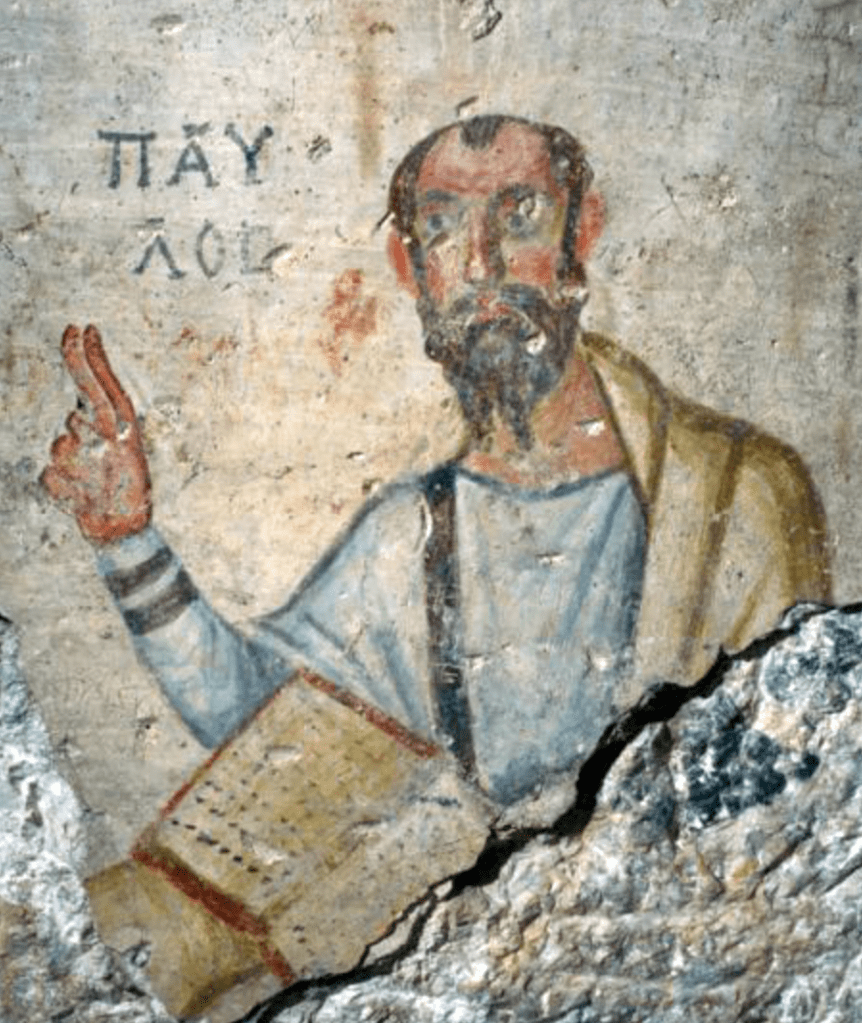
The earliest Christian writings come from the apostle Paul, whose letters date to the AD 50s — roughly 20 years after Jesus’ death. In 1 Corinthians 15, Paul quotes an early creed stating that Jesus “died,” “was buried,” and that his followers believed he appeared to them afterward. Most scholars agree Paul is passing along a tradition that originated within just a few years of the crucifixion.
The four Gospels — Matthew, Mark, Luke, and John — were written between approximately AD 60 and 90. While they are theological documents, they also function as ancient biographies grounded in real locations, political figures, and cultural practices of first-century Judea. The crucifixion is reported independently across all four accounts, with consistent core details.
Importantly, crucifixion itself was a Roman punishment reserved for rebels, criminals, and slaves — a humiliating and brutal death. Inventing a crucified messiah would have been culturally embarrassing for early Jewish Christians, which strengthens the historical credibility of the claim rather than weakening it.
Scholarly Consensus
Across religious and secular scholarship, there is widespread agreement on several points:
- Jesus of Nazareth existed as a historical person.
- He was a Jewish teacher and preacher active in Galilee and Judea.
- He was executed by crucifixion under Pontius Pilate around AD 30–33.
- His followers quickly formed a movement that spread throughout the Roman world.
These conclusions are supported by multiple independent sources written close to the events, which is a strong standard in ancient historical research.
 John's History Corner
Leave a comment